
Business Liquidation Auctions in Central Texas
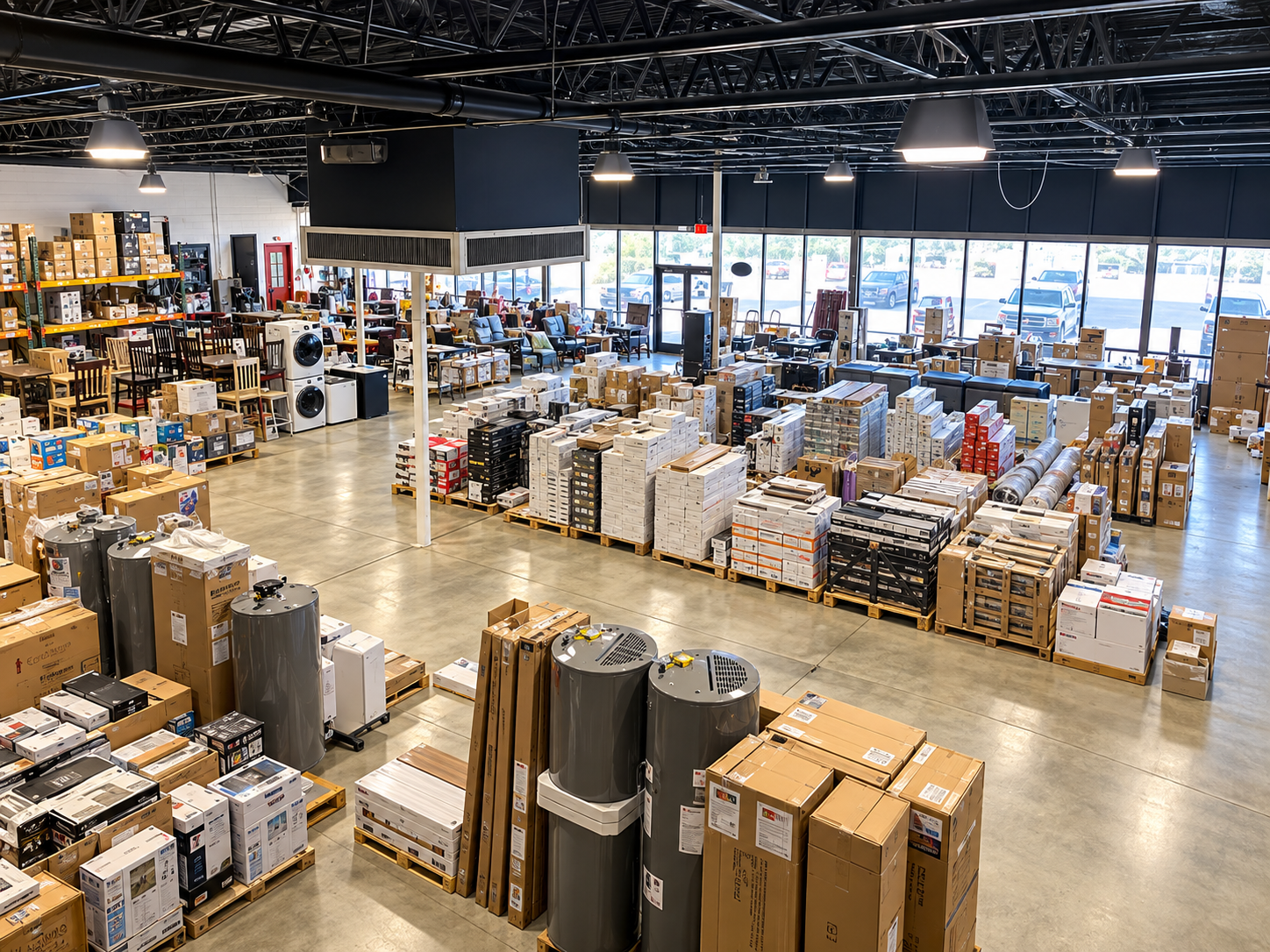
Closing, relocating, downsizing or clearing excess inventory? Twin Rivers Auction Company can coordinate an organized online auction for eligible business inventory, equipment, machinery, fixtures, displays, tools, commercial assets, excess merchandise and more.
Closing, Relocating or Clearing Out a Business?
An organized auction can bring hundreds or thousands of eligible business assets to market without requiring separate individual sales.
Twin Rivers can evaluate the type and quantity of assets, their location, logistics, timing and potential buyer market before developing an auction plan for the business.
The auction process can bring inventory, equipment, machinery, vehicles and other eligible commercial property together under one coordinated sale.
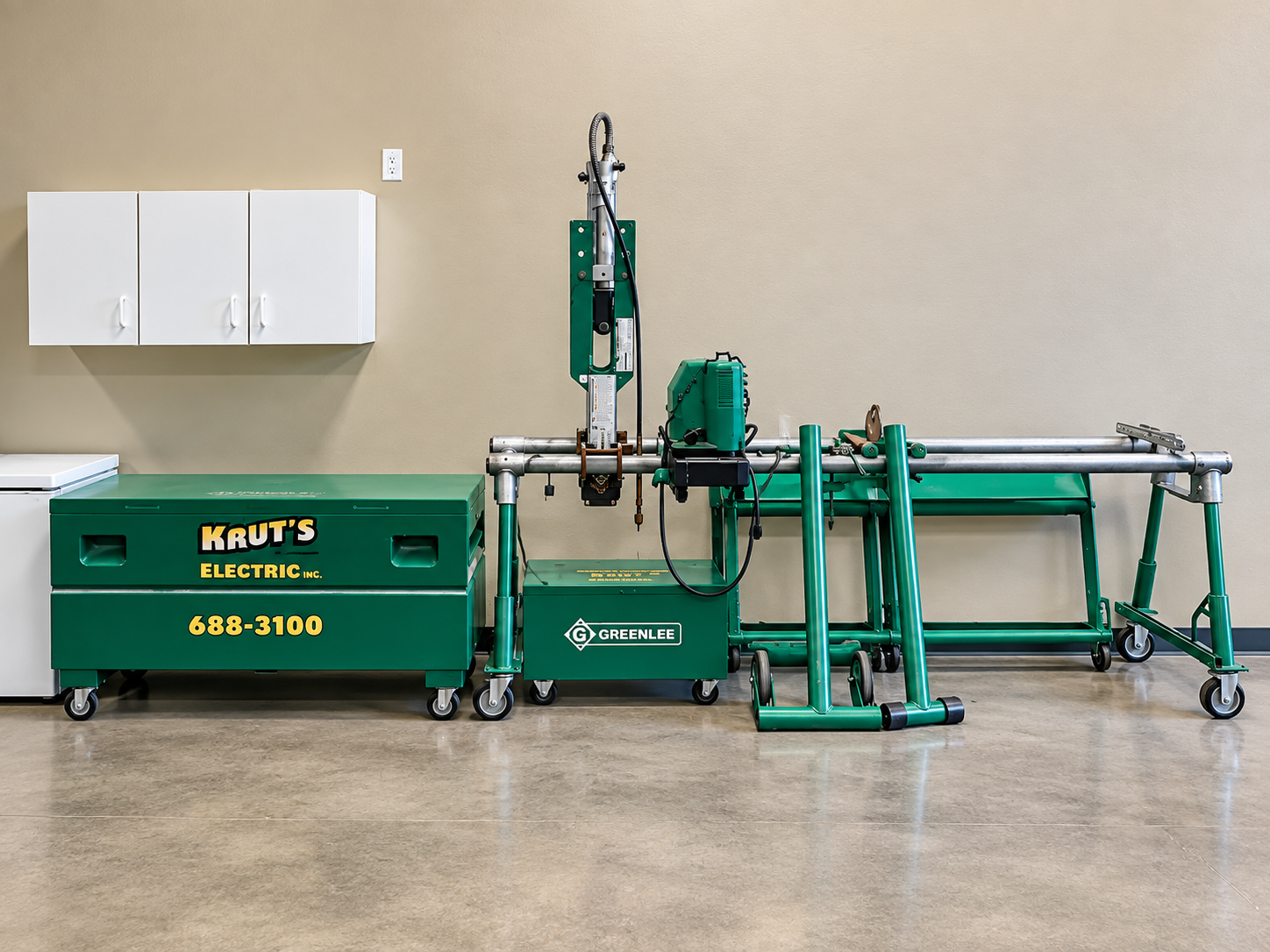
What Can Be Included in a Business Liquidation Auction?
Every operation is different. Twin Rivers can evaluate a broad range of eligible business and commercial property when developing the auction plan.
Commercial Equipment
Inventory
Machinery
Tools
Fixtures & Displays
Office & Business Assets
Restaurant & Service Equipment
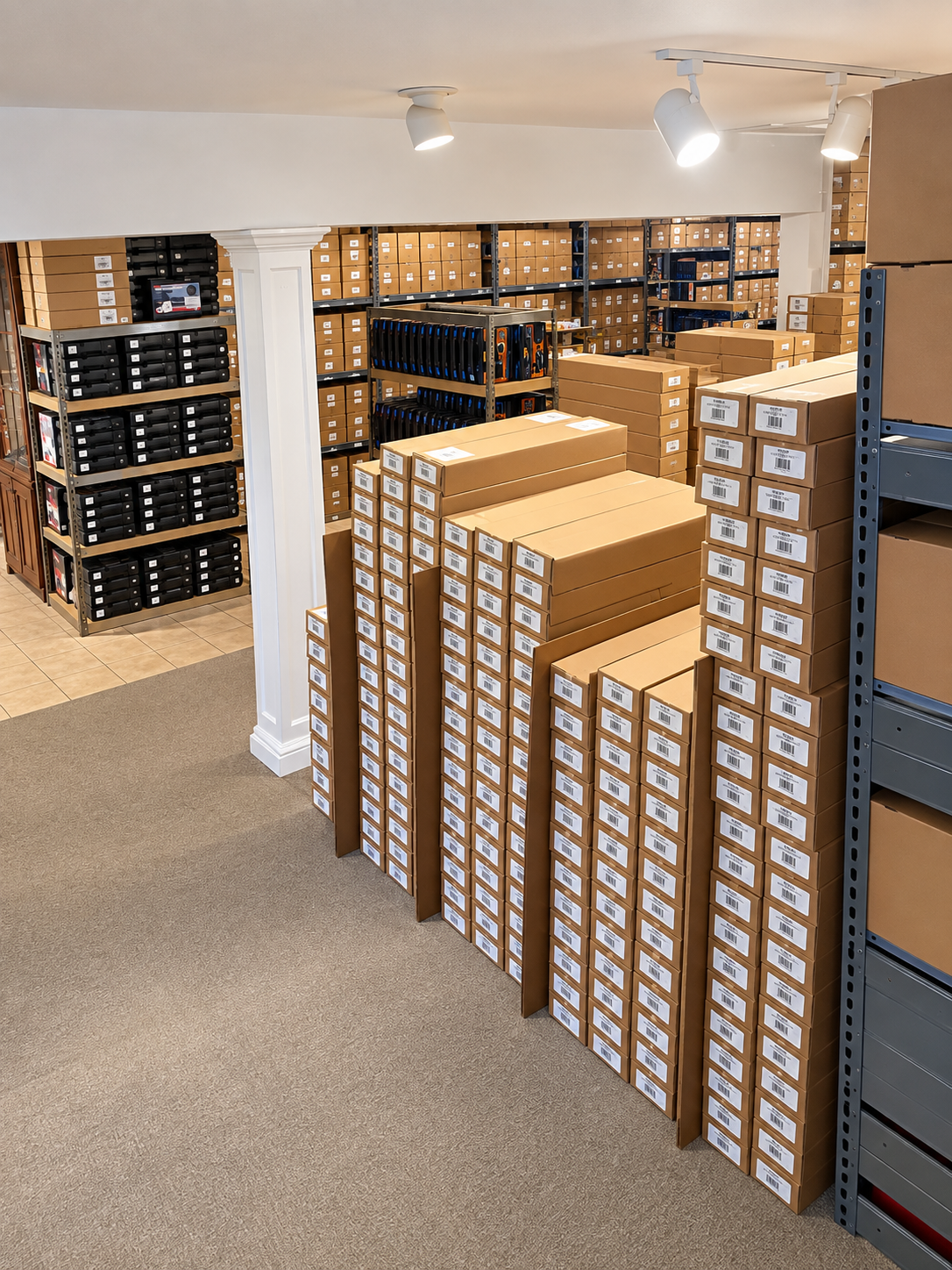
Warehouse Contents
Excess Merchandise
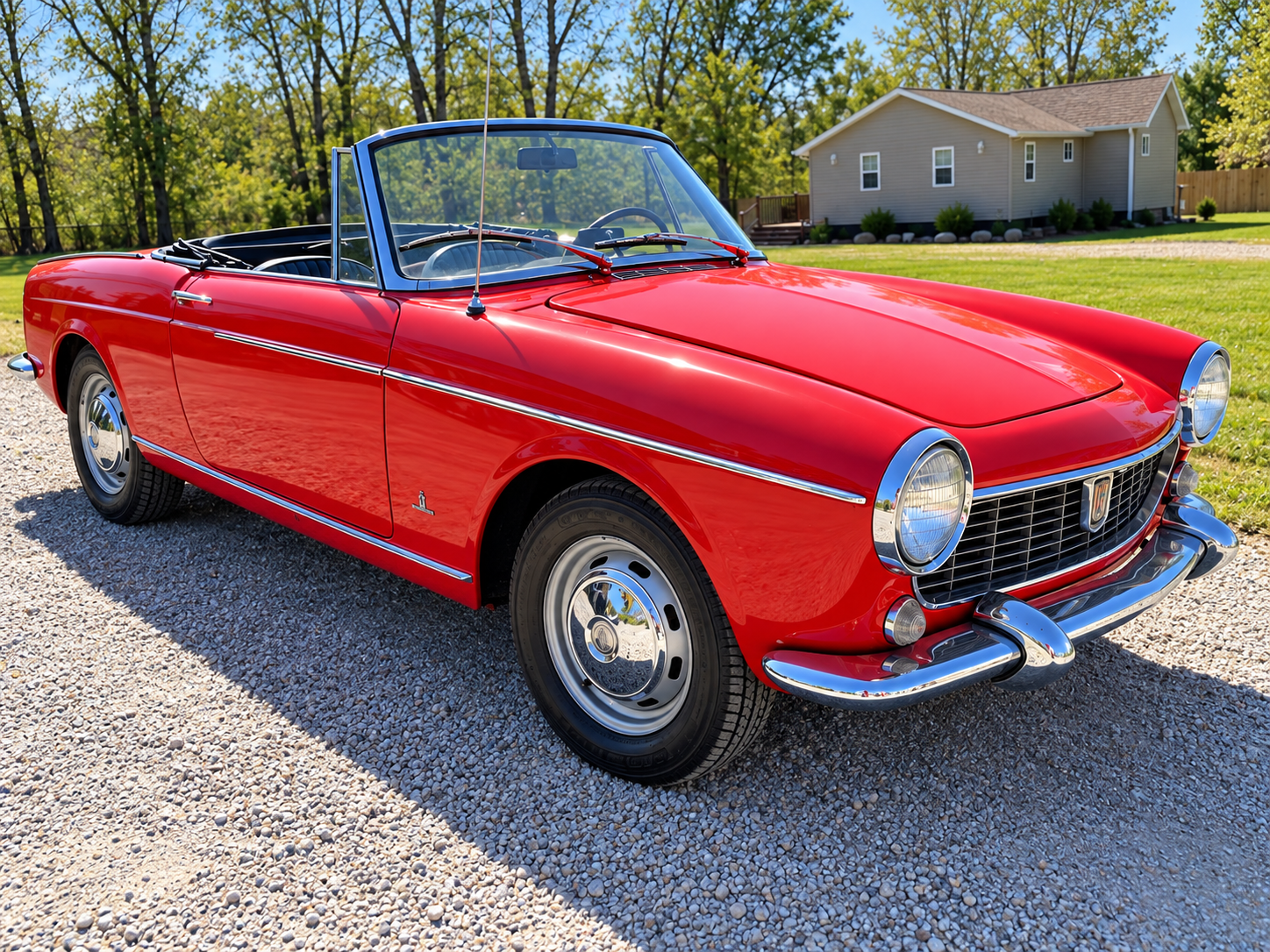
Trailers & Vehicles
Too Much Inventory? Let Auction Create the Marketplace.
A complete business closing is not the only reason to consider auction. Businesses may also need an organized way to clear inventory, merchandise or product lines that are no longer part of the operation.
Why Consider Auction for a Business Liquidation?
Auction provides a structured way to bring multiple business assets into one marketplace rather than handling every asset as a separate sale.
Let the Market Compete
Create a defined marketplace where interested buyers have an opportunity to compete for eligible business assets.
Sell Multiple Assets Through One Process
Inventory, tools, equipment, fixtures, machinery and other eligible assets can be coordinated through one auction.
Reach Beyond Your ZIP Code
Online bidding expands exposure beyond the immediate area and can connect assets with buyers outside the local market.
How the Business Liquidation Auction Process Works
Twin Rivers can coordinate the process from the initial asset review through cataloging, marketing, online bidding, buyer coordination and seller settlement.
Tell Us What You Have
Send representative photos, a general asset description or an existing inventory if one is available.
Develop the Auction Plan
Consider asset type, quantity, location, logistics, timing and the potential buyer market.
Cataloging & Photography
Eligible business assets are organized and presented for the online auction catalog.
Marketing & Exposure
The auction is promoted to help interested buyers discover the assets before bidding closes.
Auction Goes Live
Online bidding creates a defined marketplace for the business assets included in the auction.
Coordinate Buyers
Payment, pickup and eligible shipping are coordinated according to the applicable auction terms.
Seller Settlement
The liquidation process concludes with the applicable seller settlement.
When a Business Liquidation Auction May Be Worth Discussing
The reason for selling can vary. Twin Rivers can review the business, assets and timing before discussing whether an auction fits the situation.
Business Closing
When equipment, inventory, fixtures and other commercial assets need to be brought to market as operations end.
Business Relocation
When certain assets, inventory or equipment will not move with the business to its next location.
Reducing Assets
When the business is continuing but no longer needs part of its equipment, machinery, inventory or other assets.
Clearing Excess Stock
When excess merchandise, overstock or warehouse inventory needs an organized path to market.
What Should You Send Twin Rivers?
Every Business Liquidation Is Different
Commission and service terms may vary based on asset type, quantity, value, the work involved and logistics. Applicable terms are discussed before commitment rather than publishing one fixed commission percentage for every liquidation.
Business Liquidation FAQs
A few common questions businesses have before beginning the auction process.
Tell Twin Rivers About the Business and What Needs to Be Sold
You do not need to have every asset sorted or inventoried before contacting Twin Rivers. Start with the basic business information, a description of the assets and a few representative photos.